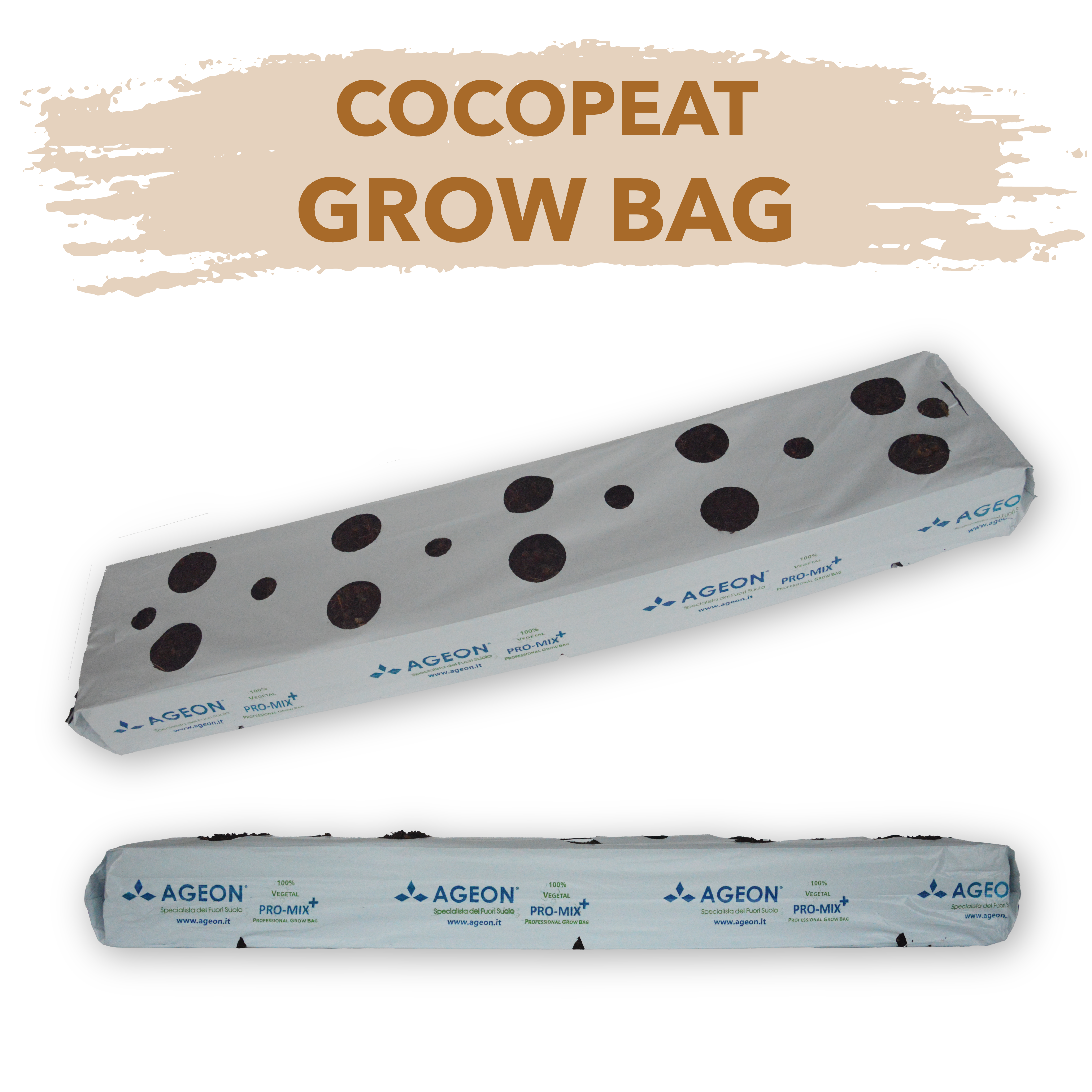
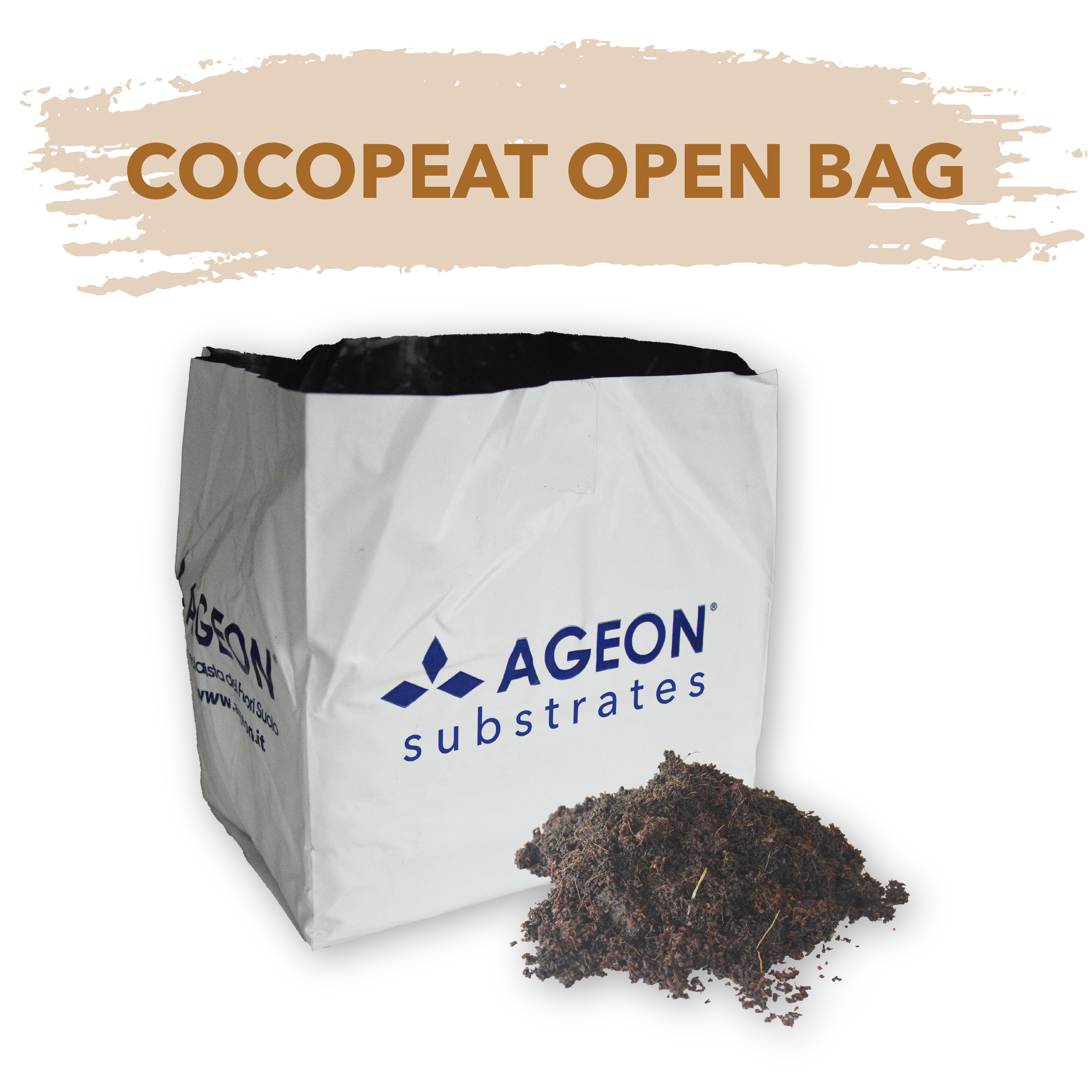
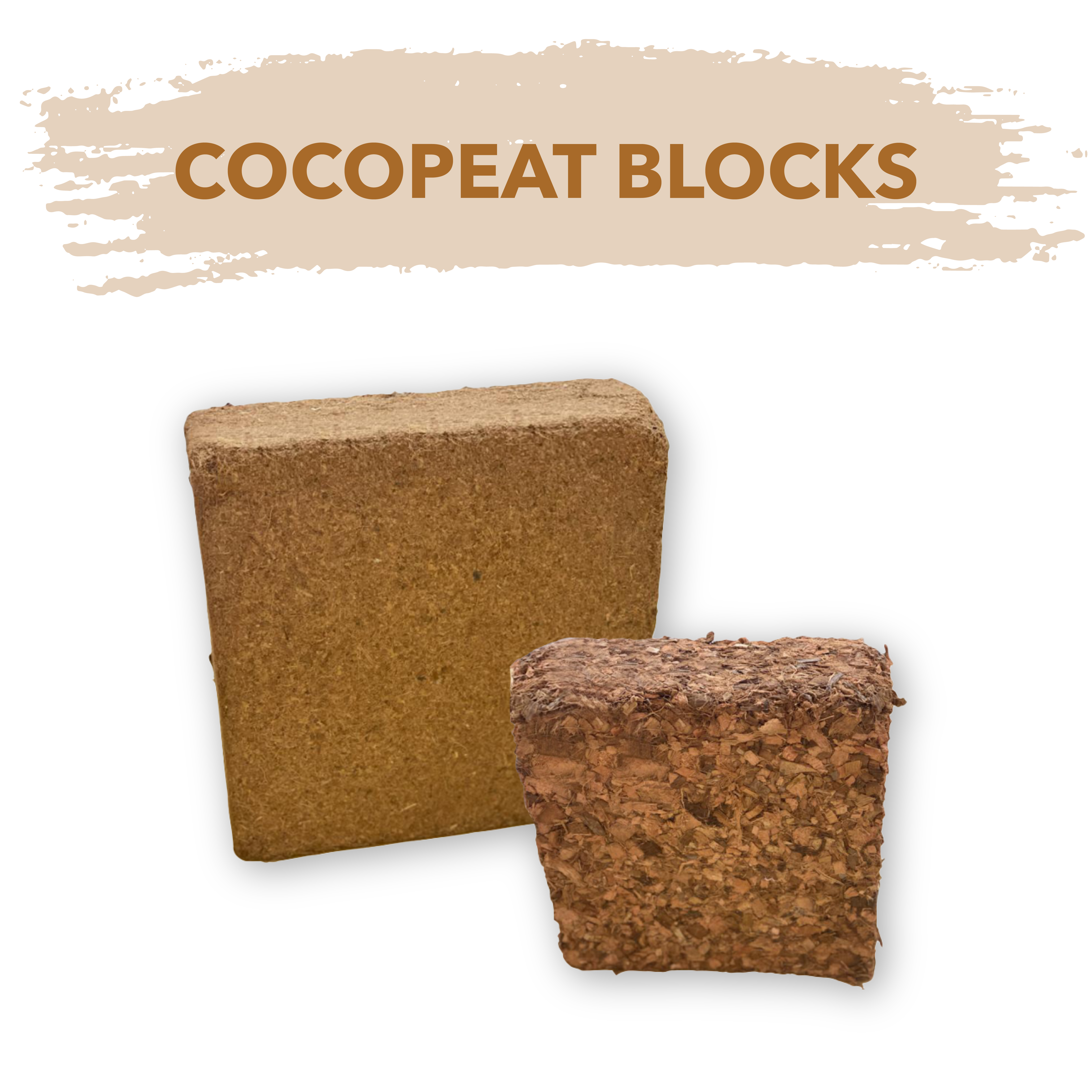
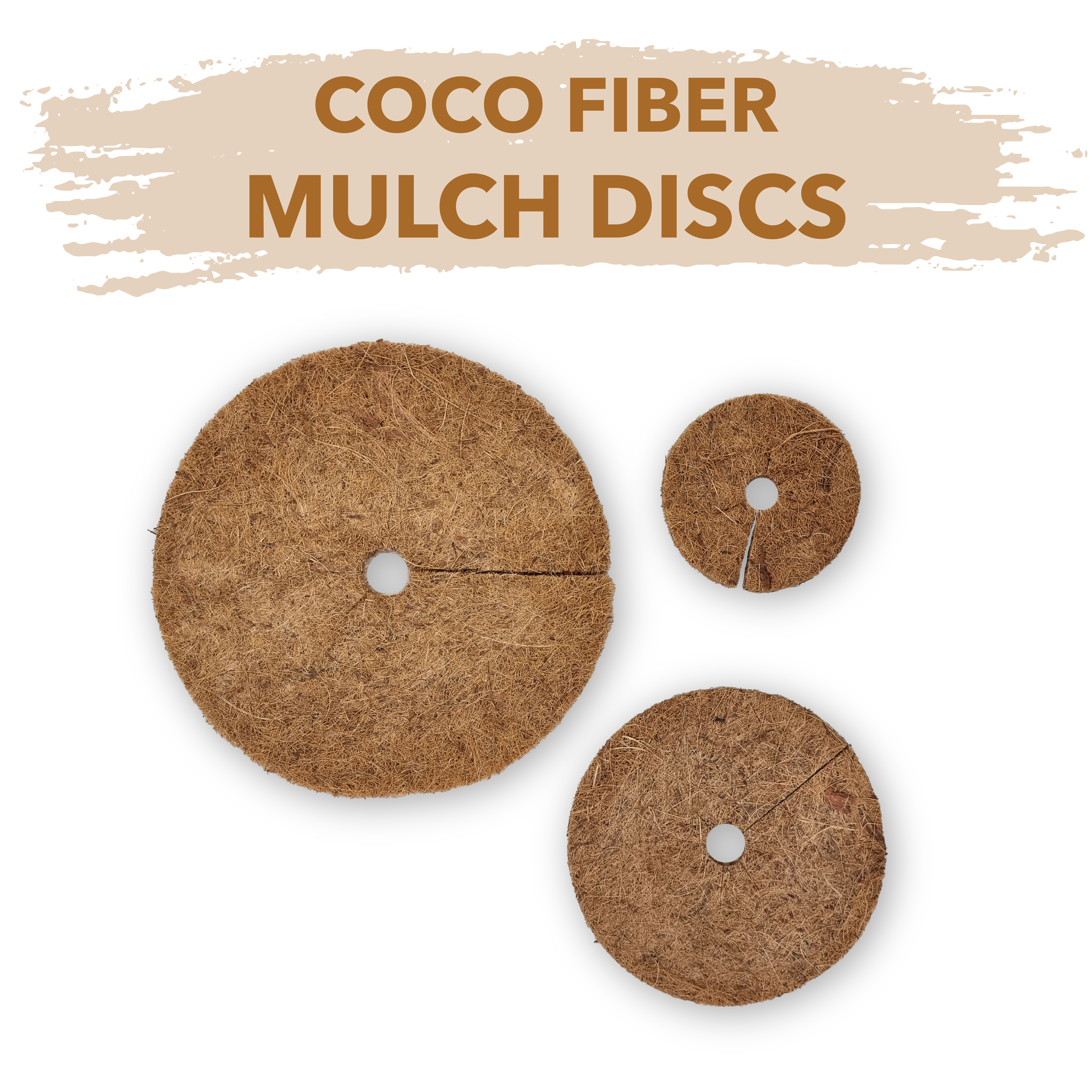
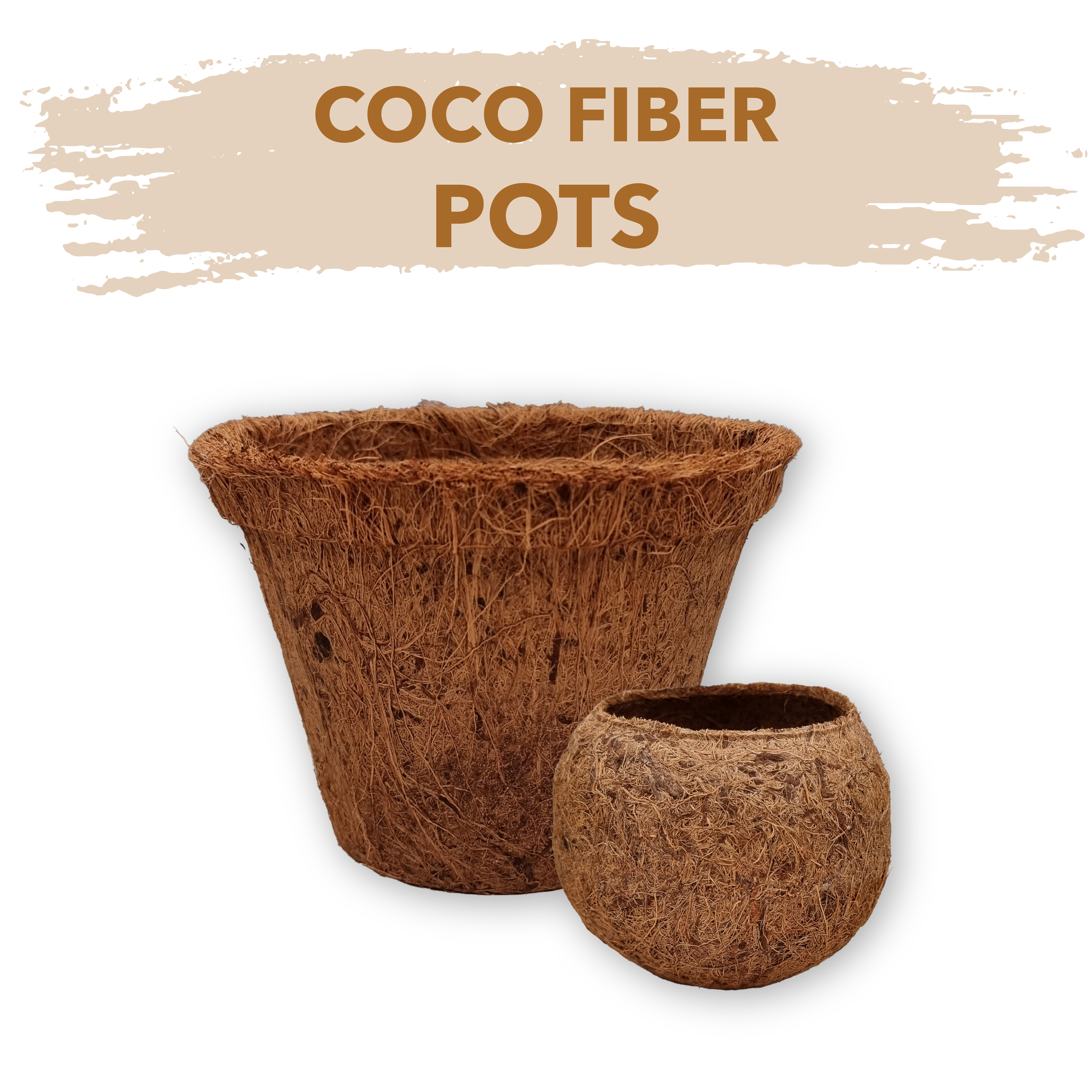
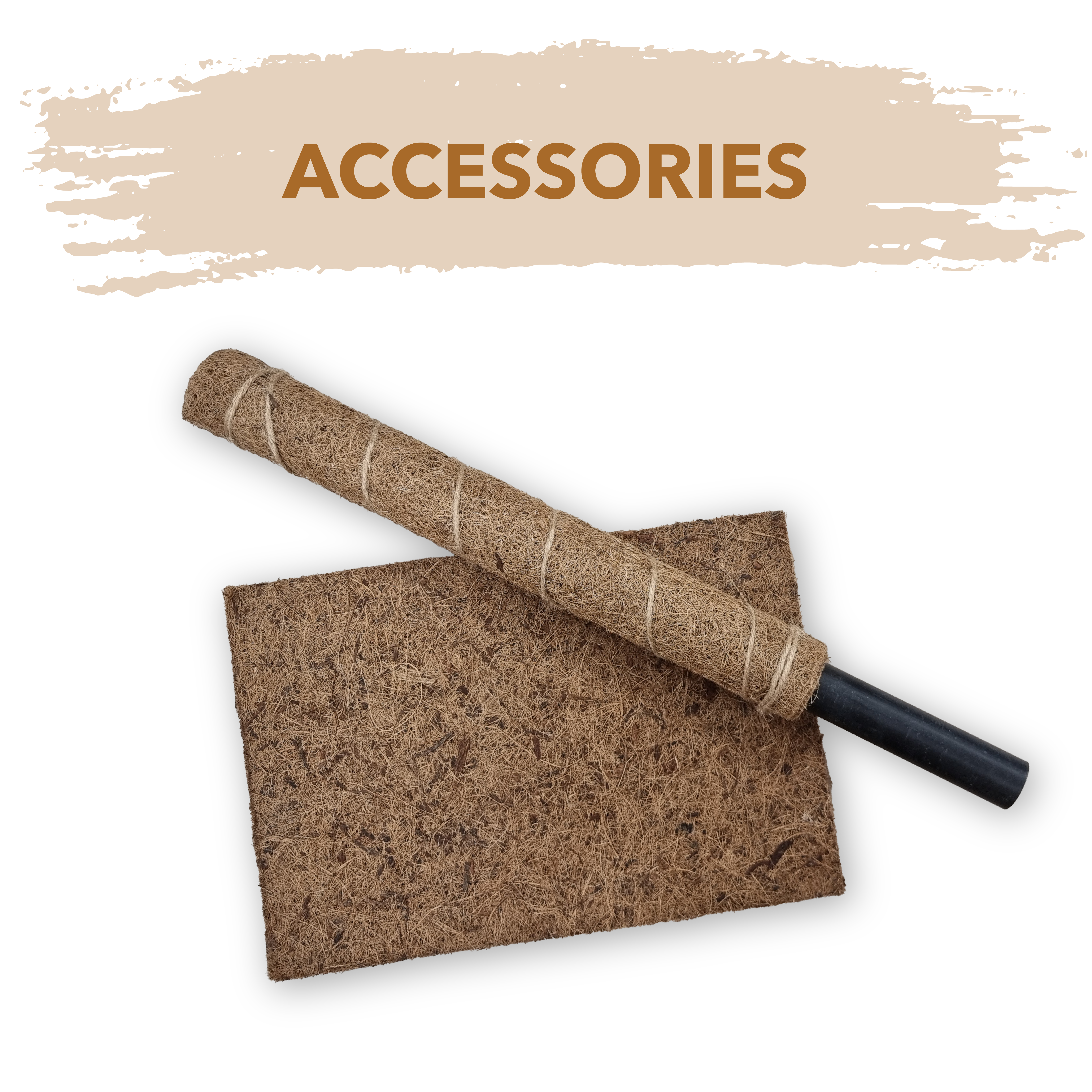
Coconut coir substrates are one of the most widely used solutions for soilless cultivation and for those seeking a 100% organic and completely biodegradable product. Coconut coir is obtained from the husk of the coconut, where through a specific process it is recycled and transformed into a cultivation substrate suitable for a wide range of crops.
When talking about coconut coir substrates, it’s important to specify that they are always a mixture composed of multiple components, all derived from the coconut but in different sizes and physical characteristics. We can identify three main elements: Peat/Pith, Fiber, and Chips.
- Peat or Pith: This is the component with the smallest grain size. It plays a fundamental role in the hydration capacity and water retention of the coconut coir substrate.
- Chips: This is the coarsest part of the coconut coir substrate mixture. It is very important as it provides structure to the substrate.
- Fiber: This is the finest element and, due to its physical and structural characteristics, plays a decisive role in the capillary phenomenon of the coconut coir substrate.
Thanks to the possibility of modifying the percentages of each element in the mixture, it is possible to obtain substrates with different characteristics and behaviors (e.g., substrates with lower or higher drainage capacity) in order to meet the specific needs of each crop.
With 30 years of experience in importing and marketing coconut-based substrates, AgeonSubstrates is able to offer products of the highest quality standards, capable of meeting the diverse needs of our customers. We offer a complete range of products in various formats suitable for every plant species and for every specific use, characterized by different types of blends, with washed or unwashed materials, depending on the electrical conductivity required during the use of the coconut fiber substrate.